Funeral flowers guide for IG6 cemeteries and crematoriums
Posted on 04/10/2026
Choosing funeral flowers can feel surprisingly hard when you are already carrying grief, family decisions, and a hundred small details that do not wait for anyone. This Funeral flowers guide for IG6 cemeteries and crematoriums is here to make that part simpler. Whether you are arranging flowers for a crematorium service, a burial at a local cemetery, or sending something gentle to the family home, the goal is the same: to choose a tribute that feels respectful, timely, and right for the person being remembered.
In IG6, people often want something traditional but not stiff, personal but not over the top. That balance matters. The wrong flowers can feel too casual or awkwardly formal. The right ones can bring a little calm to the room, even when the day itself is difficult. Let's walk through what funeral flowers mean, how they work in practice, and how to avoid the common mistakes that can make an already emotional day harder than it needs to be.
- Why funeral flowers matter in IG6
- How funeral flower arrangements work
- Key benefits and practical advantages
- Who this guide is for
- Step-by-step guidance
- Expert tips for better results
- Common mistakes to avoid
- Tools, resources and recommendations
- Law, compliance, standards and best practice
- Options and comparison table
- Real-world example
- Practical checklist
- Conclusion
- Frequently asked questions
Why Funeral flowers guide for IG6 cemeteries and crematoriums Matters
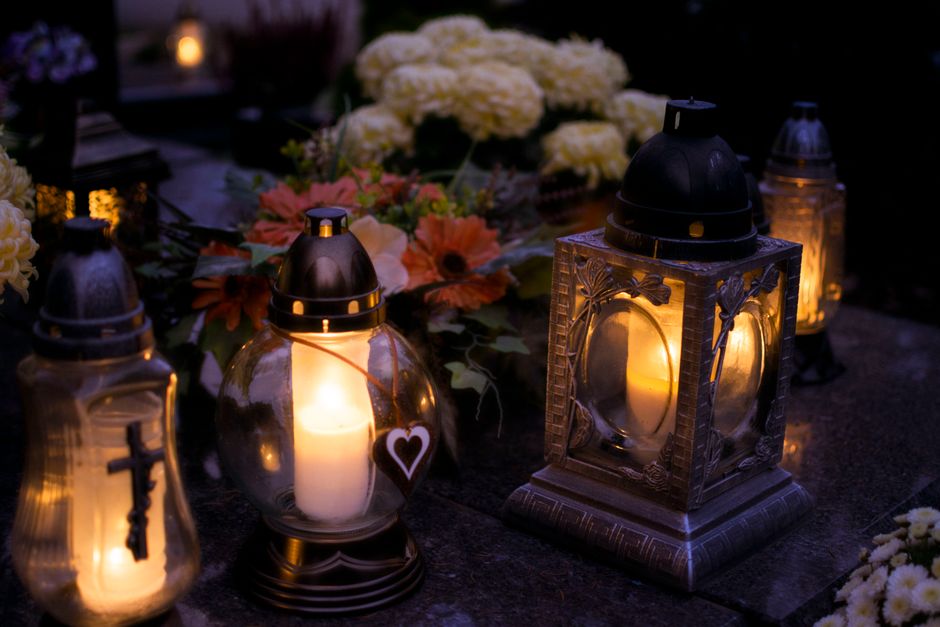
Funeral flowers do more than decorate a service. They help set the tone. A wreath, coffin spray, sheaf, posy, basket, or letter tribute can quietly express love, respect, faith, memory, or simply support when words feel thin. In a crematorium chapel or a cemetery setting, flowers also help create a calmer visual space. That matters more than people sometimes realise. A room with thoughtful flowers feels gentler. Softer. Less clinical. More human.
In IG6, families may be balancing local chapel timings, burial arrangements, travel, and the practical realities of getting everyone in the right place at the right time. Flowers need to arrive looking fresh and appropriate, not last-minute or overcomplicated. A good funeral flower choice reduces stress because it is one decision that can be handled with confidence.
There is also an emotional reason this topic matters. Many people say the flower tribute was one of the few parts of the day they could control. That is true, and it is worth taking seriously. Funeral flowers can carry the message that the person mattered, and still matters. Simple as that.
How Funeral flowers guide for IG6 cemeteries and crematoriums Works
The basic process is straightforward, but there are a few moving parts. First, decide where the flowers need to go: a cemetery, crematorium, funeral director, or family address. Then choose the tribute style, size, wording, and colour palette. After that, confirm the delivery time and any placement instructions from the funeral director or family.
Most funeral tributes fall into a few broad groups:
- Wreaths - circular tributes often chosen for a classic, respectful look.
- Sprays - arranged flat, often placed on top of a coffin or displayed at the service.
- Posies and baskets - smaller, softer tributes that are easy to place and transport.
- Letter tributes and shapes - personal options using initials, names, hearts, crosses, or specialist symbols.
- Sheaves and loose tribute styles - a more natural look, sometimes preferred for graveside settings.
There is no one-size-fits-all answer. A crematorium service may need something arranged to sit well on a coffin or near a photograph. A cemetery burial may suit a tribute that can be lifted, carried, and later laid at the graveside. If you are unsure, ask what the funeral director recommends and keep the tribute manageable. Truth be told, simple often works best.
Flower choice also affects the final feel. White lilies, roses, chrysanthemums, carnations, alstroemeria, and mixed sympathy flowers all have their own tone. White tends to signal peace and purity. Purple often feels dignified. Soft pink can feel warm and loving. Red is strong and heartfelt. Mixed whites and greens usually suit many services without feeling too formal.
Key Benefits and Practical Advantages
One of the biggest benefits of taking the time to choose funeral flowers properly is peace of mind. You know the tribute will be suitable for the setting, appropriate for the family's wishes, and respectful in appearance. That sounds basic, but on the day itself it can matter a great deal.
Here are the main practical advantages:
- They communicate what is hard to say - especially when grief makes conversation difficult.
- They suit both cemetery and crematorium settings - as long as the tribute style matches the venue.
- They can reflect personality - through flower type, colour, shape, or wording.
- They are easy to organise - compared with many other funeral tasks.
- They offer a visual point of comfort - something steady and beautiful in a difficult moment.
Another benefit is flexibility. Not every tribute needs to be large or expensive. A well-made posy can feel just as thoughtful as a grand wreath. In fact, a neat, calm design often lands better than a big arrangement that feels out of place. Less can be more here. That's not some fancy design theory, just lived reality.
If you are sending flowers on behalf of a family member who cannot attend, or from friends and colleagues, flowers can also act as a shared gesture. They say, "We are here too." That makes a difference.
Who This Is For and When It Makes Sense
This guide is for anyone arranging flowers in the IG6 area for a funeral, memorial, burial, or cremation service. It is especially useful if you are not used to organising this kind of tribute and want clear, steady advice without jargon.
You may find it helpful if you are:
- arranging flowers for a close family member
- sending sympathy flowers from afar
- choosing something for a crematorium chapel service
- organising flowers for a cemetery burial or graveside tribute
- coordinating tributes on behalf of colleagues, neighbours, or friends
- trying to balance personal meaning with a modest budget
This is also relevant if the family has asked for a particular colour theme, faith-based tribute, or something more restrained. Some services need flowers that stay neat and dignified rather than highly decorative. Others welcome a more personal tribute, perhaps shaped as letters, hearts, or a favourite flower combination. There is no single rule, but there is a sensible rule: match the flowers to the service, not the other way around.
If you are planning ahead for a relative or helping someone make choices during a difficult time, it may also help to look at broader florist options such as your local IG6 florist and the wider selection of all flowers available. That way you can compare styles without feeling rushed. Rushed decisions are where people usually end up second-guessing themselves later.
Step-by-Step Guidance
1. Confirm the venue and timing
Start by checking whether the service is at a crematorium, cemetery, church, or funeral home. Timing matters because funeral flowers are often delivered within a narrow window. If the service is early in the morning, or the venue has a strict receiving time, organise it well in advance. Nobody wants a beautiful spray sitting in a van because someone guessed the delivery slot. Bit of a nightmare, frankly.
2. Decide who the flowers are from
Flowers from immediate family are often larger and more personal. Flowers from friends, neighbours, or work colleagues may be simpler. A team sending condolences together might choose a wreath or basket. A single friend might prefer a posy or a carded bouquet. The sender matters because the message should feel natural, not forced.
3. Choose the tribute style
Think about whether the flowers will be placed on a coffin, beside a photograph, or at a graveside. Coffin sprays and wreaths are traditional choices. Baskets and posies are easier to carry and may suit crematorium or family-home delivery. Letter tributes are more personal and are often chosen when a name or nickname is central to the tribute.
4. Select flowers and colours
White remains the safest and most widely appropriate choice. It feels calm, respectful, and versatile. Purple adds dignity. Pink softens the tone. Red can communicate deep love or devotion. Green foliage helps everything feel balanced and fresh. If the person had a favourite flower, that is often a good place to start. A grandmother who loved chrysanthemums, for example, would probably appreciate that little personal nod.
5. Add wording carefully
If a card or ribbon message is needed, keep it short and sincere. "With love and fond memories" works well. So does "Forever in our hearts" or "Beloved dad, always remembered." Avoid trying too hard. Long messages can feel awkward on a funeral card. One or two honest lines usually say enough.
6. Check delivery instructions
Give the florist exact details: venue name, service time, name of the deceased, and any special placement request. If the funeral director has asked for flowers to arrive by a certain time, write that down somewhere visible. Small detail, big difference.
7. Confirm after ordering
Before the day arrives, make sure the order has been accepted and the delivery details are correct. If you are ordering close to the service, ask whether the chosen tribute is available and whether a suitable substitute would still fit the overall design if needed.
Expert Tips for Better Results
There are a few things experienced customers and florists tend to learn the hard way, so it is better to know them early.
- Keep the design appropriate to the venue. A large elaborate tribute may look lovely at home but feel too much in a small chapel.
- Choose seasonal flowers where possible. They usually look fresher and hold up better.
- Think about readability. If the tribute includes lettering, make sure the name can be read clearly from a short distance.
- Ask about scent. Strongly scented flowers can be beautiful, but in enclosed spaces they may be a bit much for some people.
- Prioritise freshness and structure. Funeral flowers should hold their shape from delivery through to the service.
- Use personal details sparingly. One meaningful touch is often enough. You do not need every hobby, colour, and childhood memory in one arrangement.
A useful rule of thumb: if the tribute feels calm when you picture it in a quiet room, it is probably on the right track.
And yes, sometimes the best option is the one that does not shout. There is real elegance in restraint. Funeral flowers are not the place for showing off, unless the family specifically wants something bold.
Common Mistakes to Avoid
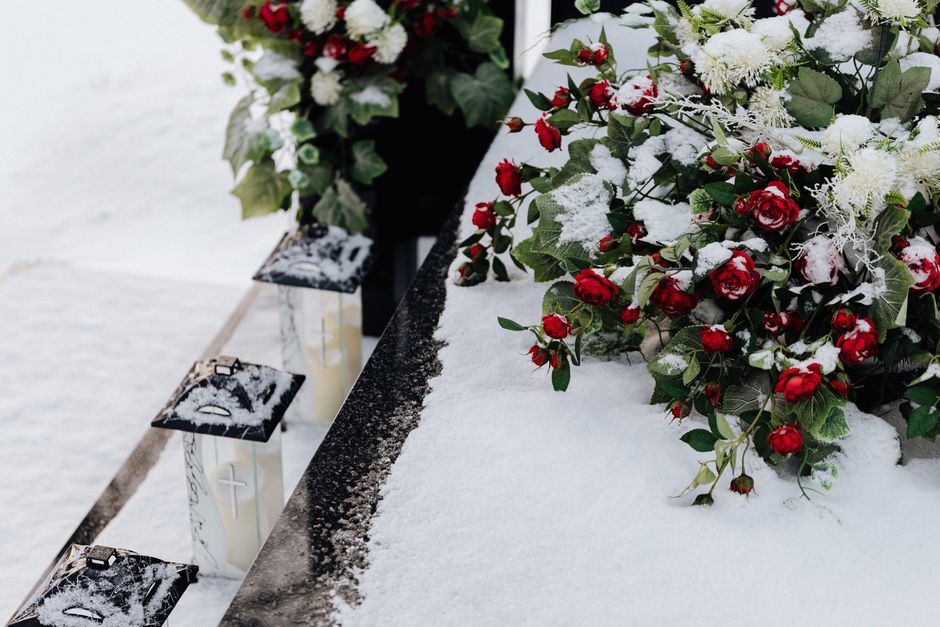
Funeral flowers are not difficult in themselves, but people do make a few predictable mistakes. Avoiding them saves time, money, and stress.
- Leaving the order too late. Popular dates and limited delivery windows can cause problems.
- Choosing the wrong size. Too small can feel underdone; too large can overwhelm the setting.
- Ignoring venue guidance. Some crematoriums and cemeteries have practical limits on placement or access.
- Using vague wording. A tribute needs a clear message and clear delivery information.
- Picking flowers only for colour. Symbolism, durability, and setting all matter too.
- Assuming every tribute is suitable everywhere. A casket spray is not the same as a graveside bouquet. Different tools for different jobs.
Another common issue is uncertainty around what feels "right" for a funeral. If in doubt, ask yourself: would this tribute feel respectful if I saw it in a quiet chapel? Would it still make sense beside a grave? If the answer is yes, you are probably close.
Tools, Resources and Recommendations
You do not need specialist tools to choose funeral flowers, but a few practical resources help make the process smoother.
- Venue details - service time, location name, and any delivery notes.
- Funeral director guidance - often the best source for placement and timing.
- Colour preference notes - especially if the family has requested specific tones.
- Card or ribbon message draft - short, checked, and ready to send.
- Flower preference list - favourite blooms, avoided blooms, or faith-based design preferences.
For people looking for a more tailored sympathy selection, it can help to browse dedicated funeral ranges such as funeral flowers in Barkingside IG6, or ready-made tributes including wreaths, sprays, baskets and posies, and letter tributes. Those categories are useful because they help you narrow the choice quickly without getting lost in the full catalogue.
If you are comparing tribute styles, it may also be sensible to look at sympathy-focused designs like sympathy flowers and specific remembrance pieces such as In Loving Memory wreath, Heartfelt Condolences wreath, or Peace and Prayers wreath. That makes the decision a bit clearer, especially if you are under time pressure.
Law, Compliance, Standards, or Best Practice
For funeral flowers, compliance is usually about respectful practice, venue rules, and practical delivery requirements rather than complicated legal issues. Different cemeteries, crematoriums, and funeral directors may have their own preferences on when flowers can arrive, where they should be placed, and whether loose tribute items are allowed in a specific area. It is sensible to check these details before ordering, especially if the service has a strict timetable.
Best practice in the UK generally means keeping tributes appropriate, clearly labelled, and delivered on time. If a funeral director is coordinating arrangements, follow their instructions closely. That includes the name to appear on the card, the order of delivery, and any request about collection after the service. Some families also prefer flowers that are easy to remove and take home afterwards, so a compact design can be a thoughtful choice.
There is also a wider expectation of care around freshness, safe handling, and honest descriptions. If a florist offers a substitute flower due to seasonal availability, it should remain in the same spirit and style as the original choice. That is just good practice, really.
If you need reassurance about service standards, look for clear policies on delivery, payment, and any adjustments. Useful support pages include delivery information, guarantees, and returns and refunds. Those pages help set expectations before the order is placed, which is especially important when the tribute is time-sensitive.
Options, Methods, or Comparison Table
Different funeral flower styles suit different needs. The table below gives a simple comparison to help you decide more confidently.
| Tribute type | Best for | Strengths | Things to consider |
|---|---|---|---|
| Wreath | Traditional services, classic remembrance | Symbolic, neat, widely understood | Can feel formal if the family wants something softer |
| Spray | Coffin-top or chapel display | Elegant, structured, easy to place | Size should suit the coffin or service space |
| Posy | Smaller gestures, family or friends | Simple, graceful, affordable | May feel too small for very large family tributes |
| Basket | Easy handling, home or venue delivery | Stable, versatile, easy to move | Less formal than a wreath or coffin spray |
| Letter tribute | Personalised remembrance | Highly meaningful, strong visual impact | Needs careful planning and can be more specific |
| Sheaf | Natural, understated tributes | Gentle, traditional, easy to lay down | Usually best when a simpler, less decorative look is wanted |
As a practical matter, many people choose one main tribute and then add smaller sympathy flowers for the family or home. That keeps the main service arrangement focused while still allowing close relatives or friends to send something personal.
Case Study or Real-World Example
A typical IG6 scenario goes like this. A family is arranging a crematorium service and wants something respectful but not overly formal. The deceased loved white flowers, especially lilies, but the family also wanted a softer touch because the service was intimate and the room would be full of close friends.
They chose a white-and-green spray for the coffin, then added a small wreath from grandchildren and a modest posy from neighbours. The florist kept the wording short, checked the service time, and arranged delivery directly to the venue ahead of the chapel slot. Nothing dramatic. No fuss. Just careful coordination.
On the day, the flowers did what they were meant to do. They framed the service gently, gave the family a visual focus during a very emotional hour, and later provided a tribute that could be taken to the graveside or family home depending on the arrangements. That is the kind of outcome you want. Quiet, respectful, dependable.
What made it work was not extravagance. It was clarity. The family knew the tone they wanted, the florist knew the delivery details, and the tribute matched the place. Simple, but not easy if you are trying to do it alone at the last minute.
Practical Checklist
Use this quick checklist before placing your order:
- Confirm the venue: cemetery, crematorium, church, or home delivery
- Check the service date and exact time
- Decide who the tribute is from
- Choose the tribute style: wreath, spray, posy, basket, letter, or sheaf
- Select flowers and colours that suit the person and setting
- Write a short message for the card or ribbon
- Check whether the venue has any delivery or placement instructions
- Ask about freshness, substitutions, and timing if ordering close to the service
- Keep the design practical for handling and display
- Confirm the order details before the day arrives
Quick expert summary: the best funeral flowers are usually the ones that feel calm, suitable, and easy for the family to manage on the day. Match the tribute to the venue, keep the message sincere, and avoid overcomplicating it.
Conclusion
Funeral flowers are a small part of the day in practical terms, but emotionally they often carry a lot. In IG6 cemeteries and crematoriums, the best choices are the ones that respect the setting, honour the person, and reduce stress for the family. That usually means choosing a tribute that is neat, timely, and sincere rather than flashy or overworked.
If you remember only one thing from this guide, let it be this: choose with care, keep it simple where possible, and let the flowers do the quiet work of saying what the heart already knows. Sometimes that is enough. Sometimes it is more than enough.
If you are still deciding, take a breath, check the venue details, and compare a few respectful options before you commit. A little calm at this stage goes a long way later.
Get a free quote today and see how much you can save.

Frequently Asked Questions
What flowers are most appropriate for a funeral in IG6 cemeteries and crematoriums?
White lilies, roses, chrysanthemums, carnations, and mixed sympathy flowers are all common choices. White and green designs tend to feel especially calm and respectful, while purple and soft pink can add a gentle personal touch.
Can I send funeral flowers directly to a crematorium or cemetery?
Yes, often you can, but you should always check the venue or funeral director's instructions first. Timing, access, and placement rules can vary, so it is best to confirm the details before ordering.
How far in advance should I order funeral flowers?
As early as you can. If the service date is fixed, ordering ahead gives you better choice and reduces stress. If time is short, ask about same-day or next-day options and make sure the delivery window still works.
What is the difference between a wreath and a spray?
A wreath is a circular tribute and is often seen as a traditional symbol of remembrance. A spray is usually arranged flat and may be placed on a coffin or displayed at the service. Both are respectful; the best choice depends on the setting.
Are posies suitable for funeral services?
Yes. Posies are a thoughtful choice when you want something smaller, softer, or easier to handle. They are often suitable for friends, neighbours, or colleagues who want to send a respectful tribute without choosing a large arrangement.
Can funeral flowers include a personal message?
Absolutely. A short message on a card or ribbon is common and often appreciated. Keep it simple and sincere. A few words usually work better than a long paragraph.
What if the person had a favourite colour or flower?
That is often a very good starting point. Personal details can make the tribute feel more meaningful. If the favourite flower is seasonal or unavailable, a florist can usually suggest something with a similar tone or feel.
Do crematoriums and cemeteries allow all tribute styles?
Not always. Some venues or funeral directors may have preferences about size, placement, or whether certain items are suitable. It is sensible to check before ordering, especially for larger or more unusual tributes.
How do I choose funeral flowers on a budget?
Focus on one well-made tribute rather than several smaller items. Posies, baskets, and florist's choice sympathy designs can offer good value while still looking respectful. A modest tribute chosen carefully often feels more thoughtful than a larger one chosen in a rush.
Is it better to choose a florist's choice arrangement?
It can be, especially if you trust the florist and need something tasteful without overthinking every stem. A florist's choice tribute gives the designer room to use the freshest flowers available while keeping to the style you want.
What should I check before finalising my order?
Check the venue, service time, recipient name, tribute style, message, and delivery instructions. It sounds obvious, but one small detail missed at the start can create stress later. Better to check twice than guess once.
Can I order sympathy flowers instead of funeral flowers?
Yes. Sympathy flowers are often sent to the family home or delivered outside the service itself. They are a good choice if you want to express condolences without sending a formal tribute to the venue.
What is the safest choice if I am unsure?
A white and green wreath, spray, or posy is usually a safe and respectful option. If you are really not sure, a simple sympathy design is often the least risky and most widely appropriate choice.